


Table of contents [Show]
- Introduction
- What Is Bitter Yam?
- Traditional Beliefs About Bitter Yam and Sneezing
- Possible Reasons Bitter Yam May Influence Sneezing Symptoms
- Important Scientific Reality
- Common Causes of Frequent Sneezing
- Better Evidence-Based Ways to Reduce Sneezing
- Safety Considerations About Bitter Yam
- Frequently Asked Questions
- Conclusion
Can Bitter Yam Help Reduce Sneezing? What Research and Traditional Knowledge Suggest

Introduction
Sneezing is a common body reaction that helps remove irritants from the nose and airways. It may be triggered by dust, allergies, strong smells, cold weather, infections, smoke, pollen, or certain foods. In many Nigerian communities, traditional foods and herbs are sometimes believed to help reduce frequent sneezing and support respiratory comfort.
One traditional food occasionally associated with such beliefs is bitter yam, commonly known as Esuru in Yoruba communities and scientifically identified as Dioscorea dumetorum. Some people believe bitter yam may help reduce symptoms linked to catarrh, sneezing, or excessive mucus production. However, scientific evidence directly proving bitter yam as a treatment for sneezing remains limited.
This article explores available scientific findings, traditional beliefs, possible explanations, and important safety considerations regarding bitter yam and sneezing.
What Is Bitter Yam?
Bitter yam is a traditional African yam species widely found in West Africa, especially Nigeria, Ghana, and Benin. It is known for its characteristic bitter taste and belongs to the Dioscorea family.
In Yoruba communities, bitter yam is commonly called:
- Esuru
Other names include:
- cluster yam,
- trifoliate yam,
- and three-leaved yam.
Bitter yam contains several plant compounds and nutrients that researchers continue to study for possible medicinal and nutritional benefits.
Traditional Beliefs About Bitter Yam and Sneezing
In some traditional settings, bitter-tasting foods are believed to:
- reduce excess mucus,
- “clear the chest,”
- improve respiratory comfort,
- or support general body cleansing.
Although these beliefs exist culturally, there is currently no strong clinical evidence confirming bitter yam as a proven cure for sneezing or allergies.
However, researchers have identified certain plant compounds in Dioscorea species that may possess:
- anti-inflammatory properties,
- antioxidant effects,
- and immune-related activities.
These findings may partly explain why some traditional users associate bitter yam with relief from respiratory discomfort.
Possible Reasons Bitter Yam May Influence Sneezing Symptoms
1. Presence of Antioxidant Compounds
Research on Dioscorea species suggests they contain phytochemicals and antioxidant compounds that may help reduce oxidative stress in the body.
Oxidative stress and inflammation sometimes contribute to allergic reactions and respiratory irritation.
2. Potential Anti-Inflammatory Activity
Scientific reviews on Dioscorea species indicate that some compounds may possess anti-inflammatory effects.
Since inflammation can contribute to nasal irritation and sneezing, some people believe bitter yam may indirectly support respiratory comfort.
3. Traditional Dietary Practices
In many cultures, bitter foods are traditionally associated with reducing mucus or balancing certain body reactions. While this remains largely based on traditional knowledge rather than confirmed clinical evidence, these practices continue in some communities.
4. Nutritional Contribution
Bitter yam contains:
- carbohydrates,
- fiber,
- potassium,
- vitamin C,
- and small amounts of protein.
A nutritious diet supports overall immune function, which may help the body respond better to infections and environmental irritants.
Important Scientific Reality
There Is No Proven Medical Evidence That Bitter Yam “Cures” Sneezing
This is very important.
Current scientific research does not confirm bitter yam as a medically approved treatment for:
- allergies,
- sinus problems,
- catarrh,
- or chronic sneezing.
Most claims remain:
- traditional,
- anecdotal,
- or based on general observations.
People experiencing persistent sneezing should not rely only on traditional remedies without proper medical evaluation.
Common Causes of Frequent Sneezing
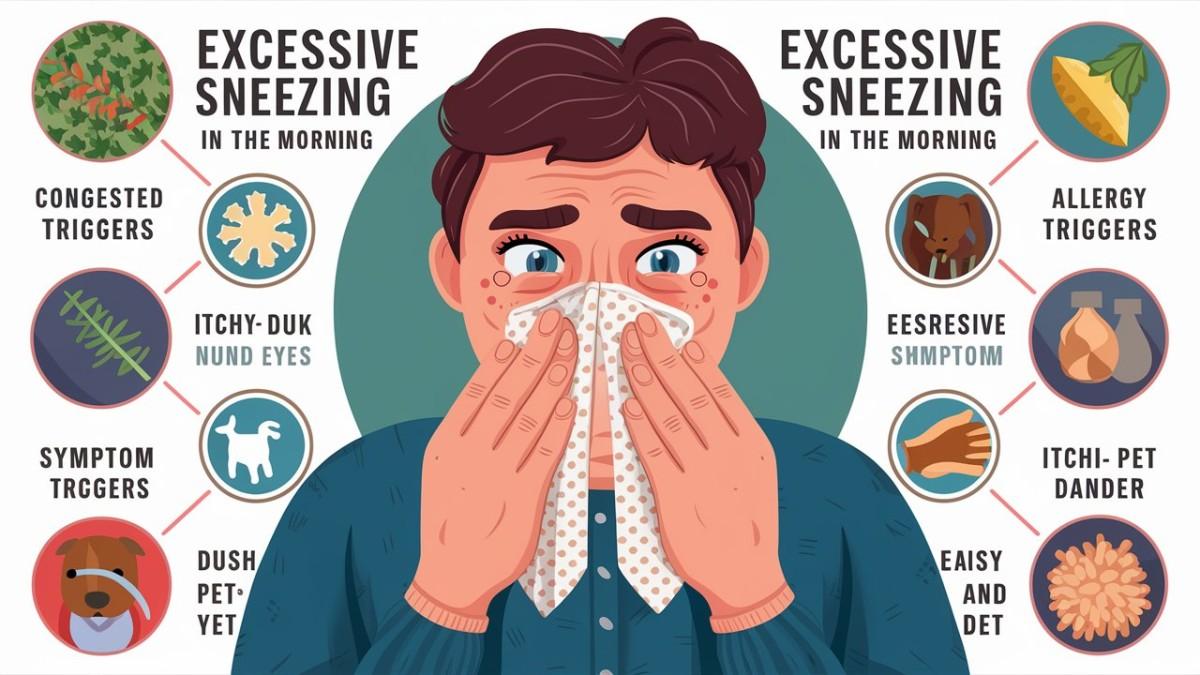
Frequent sneezing may be linked to:
- dust allergies,
- pollen,
- smoke exposure,
- cold air,
- sinus irritation,
- viral infections,
- strong perfumes,
- pet dander,
- or environmental pollution.
Identifying the actual trigger is often more important than relying solely on food-based remedies.
Better Evidence-Based Ways to Reduce Sneezing
1. Reduce Exposure to Allergens
Avoid excessive exposure to:
- dust,
- smoke,
- mold,
- and strong chemical odors.
2. Maintain Good Indoor Hygiene
Clean bedding, curtains, and dusty surfaces regularly.
3. Stay Hydrated
Adequate water intake may help maintain healthy mucus balance.
4. Eat Balanced Meals
A nutritious diet rich in fruits and vegetables supports immune health.
5. Seek Medical Advice for Persistent Symptoms
Continuous sneezing may sometimes indicate:
- allergies,
- sinusitis,
- respiratory infections,
- or other medical conditions.
Safety Considerations About Bitter Yam
Wild Bitter Yam Can Be Toxic
Research shows that some wild forms of bitter yam contain toxic compounds such as dioscorine and may require proper soaking and boiling before consumption.
Improperly processed bitter yam may cause:
- poisoning,
- seizures,
- or other harmful reactions.
Proper Preparation Is Important
Traditional processing methods may include:
- soaking,
- prolonged washing,
- boiling,
- or fermentation.
Only properly prepared edible varieties should be consumed.
Frequently Asked Questions
Can bitter yam stop sneezing immediately?
There is no scientific proof that bitter yam immediately stops sneezing. Some traditional users believe it may help, but evidence remains limited.
Is bitter yam used traditionally for respiratory discomfort?
In some communities, bitter foods and certain yam species are traditionally associated with reducing mucus or supporting respiratory comfort.
Is bitter yam safe for everyone?
No. Wild or improperly processed bitter yam may contain toxic substances and should not be consumed without proper preparation.
Conclusion
Bitter yam (Esuru) remains an important traditional food in many Nigerian communities and contains several plant compounds that researchers continue to study for potential health benefits. Some traditional beliefs suggest it may help reduce sneezing or mucus-related discomfort, possibly due to antioxidant and anti-inflammatory properties found in Dioscorea species.
However, there is currently no strong scientific evidence proving that bitter yam directly cures sneezing or allergies. Persistent sneezing should be properly evaluated to identify underlying triggers or medical conditions. Additionally, bitter yam must be prepared correctly because some wild forms may contain toxic substances.