


Table of contents [Show]
- Introduction
- What Is Moringa?
- Nutritional Profile of Moringa (Why It Matters for Fertility)
- How Moringa May Support Fertility in Women
- How Moringa May Support Fertility in Men
- 3. Protects Against Sperm Damage
- What Does Science Say?
- How to Use Moringa for Fertility
- When and How Long Should You Take It?
- Additional Tips to Boost Fertility Naturally
- Precautions and Side Effects
- Can Moringa Replace Medical Fertility Treatment?
- Frequently Asked Questions (FAQ)
- Conclusion
- Important Disclaimer
Introduction
In recent years, moringa—often called the “miracle tree”—has gained widespread attention for its impressive nutritional and medicinal benefits. In Nigeria and many parts of Africa, it has long been used in traditional medicine to boost energy, improve health, and support reproductive wellness.
But one question continues to come up: Can moringa really help couples conceive?
This article explores the science, traditional uses, and practical ways moringa may support fertility in both men and women.
What Is Moringa?
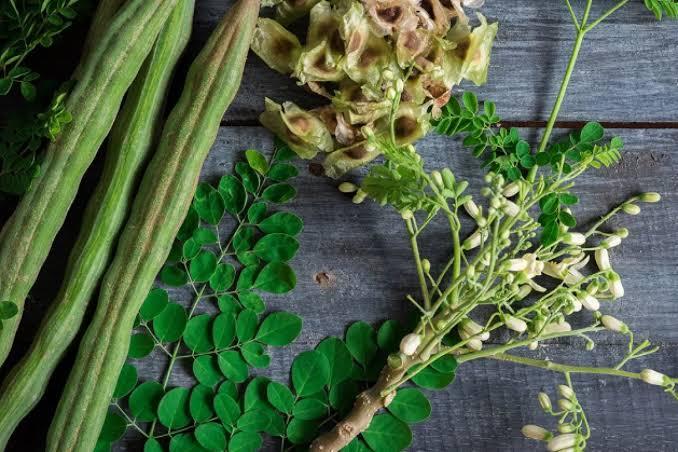
Moringa (Moringa oleifera) is a fast-growing tree whose leaves, seeds, and pods are rich in nutrients. It is widely consumed as:
- Powder (added to food or drinks)
- Tea
- Capsules or supplements
- Fresh leaves in soups
Its high concentration of vitamins, minerals, and antioxidants makes it especially valuable for overall health—and potentially for fertility.
Nutritional Profile of Moringa (Why It Matters for Fertility)
Fertility is closely linked to nutrition, and moringa delivers key nutrients that support reproductive health:
- Vitamin A – supports hormone production
- Vitamin C – improves immune function and reproductive health
- Vitamin E – protects reproductive cells
- Iron – prevents anemia, which can affect ovulation
- Calcium & Magnesium – support hormonal balance
- Zinc – essential for sperm production and quality
- Antioxidants – protect eggs and sperm from damage
This nutrient density is one reason moringa is often associated with improved fertility.
How Moringa May Support Fertility in Women
1. Hormonal Balance
Hormonal imbalance is one of the leading causes of infertility. Moringa contains plant compounds that may help regulate hormones, supporting:
- Regular menstrual cycles
- Ovulation
- Overall reproductive health
2. Improved Ovulation
Proper ovulation is key to conception. Nutrients like iron, vitamin E, and antioxidants in moringa may help improve ovarian function and egg quality.
3. Reduced Oxidative Stress
Oxidative stress can damage eggs and reduce fertility. Moringa’s antioxidants help neutralize harmful free radicals, creating a healthier environment for conception.
4. Support for Women with PCOS
Women with Polycystic Ovary Syndrome (PCOS) often struggle with fertility. Moringa may help by:
- Reducing inflammation
- Supporting insulin balance
- Improving hormonal stability
How Moringa May Support Fertility in Men
1. Improves Sperm Count and Quality
Moringa is rich in zinc and antioxidants, which are crucial for:
- Increasing sperm count
- Enhancing sperm motility (movement)
- Improving sperm morphology (shape)
2. Boosts Testosterone Levels
Some studies suggest moringa may support healthy testosterone levels, which play a vital role in male fertility and libido.
3. Protects Against Sperm Damage
Environmental toxins, stress, and poor diet can damage sperm cells. Moringa helps protect sperm from oxidative damage, improving chances of fertilization.
What Does Science Say?
While traditional medicine strongly supports moringa’s fertility benefits, scientific research is still growing.
Some studies indicate:
- Improved sperm quality in men
- Reduced oxidative stress in reproductive organs
- Better hormonal balance in animal studies
However, more human studies are needed to confirm its effectiveness specifically for conception.
How to Use Moringa for Fertility
1. Moringa Powder
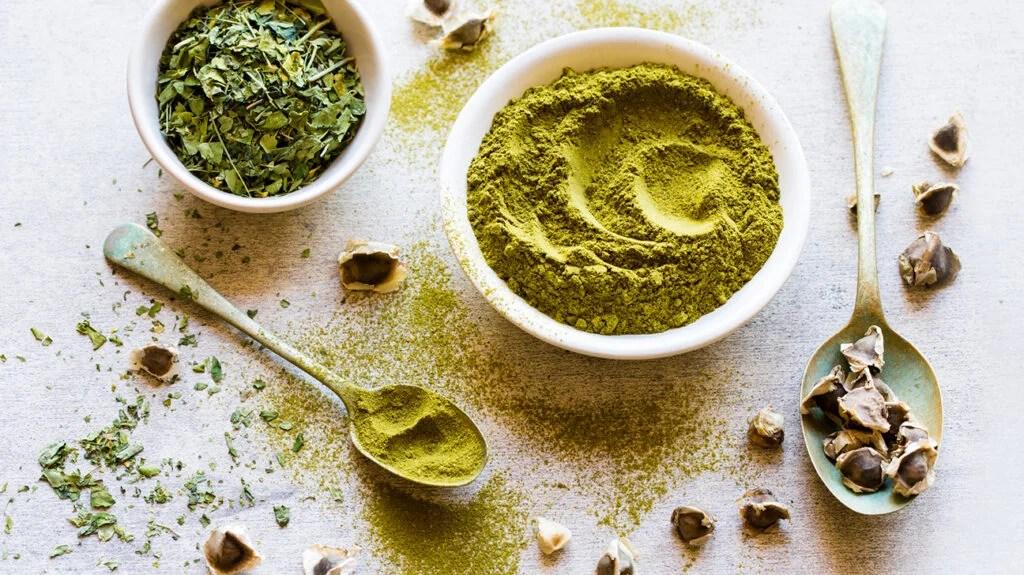
How to use:
- Add 1–2 teaspoons to smoothies, pap, or warm water
- Take once daily
2. Moringa Tea

Preparation:
- Boil water
- Add dried moringa leaves
- Steep for 5–10 minutes
- Strain and drink
You can add ginger or honey for taste.
3. Fresh Moringa Leaves

- Add to soups (e.g., vegetable soups)
- Use like spinach or ugu
- Cook lightly to preserve nutrients
4. Capsules or Supplements
- Convenient for those who dislike the taste
- Follow recommended dosage on the label
When and How Long Should You Take It?
- Consistency is key—take daily or regularly
- Effects may take weeks to months
- Combine with a healthy diet and lifestyle for best results
Additional Tips to Boost Fertility Naturally
Moringa works best when combined with healthy habits:
- Eat a balanced diet rich in fruits and vegetables
- Maintain a healthy weight
- Reduce stress
- Exercise regularly
- Avoid smoking and excessive alcohol
Precautions and Side Effects
While moringa is generally safe, keep the following in mind:
- Avoid excessive intake
- Pregnant women should consult a doctor before use
- May lower blood pressure—use cautiously if you already have low BP
- Can interact with certain medications
Can Moringa Replace Medical Fertility Treatment?
No. Moringa is a supportive natural remedy, not a cure for infertility.
If you have been trying to conceive without success for a long time, it’s important to:
- Consult a doctor
- Get proper fertility testing
- Combine natural and medical approaches if needed
Frequently Asked Questions (FAQ)
1. Can moringa help me get pregnant quickly?
Moringa may support fertility, but it does not guarantee quick pregnancy.
2. Can both partners take moringa?
Yes, it can benefit both men and women when taken in moderation.
3. How long does it take to see results?
Results vary, but noticeable improvements may take a few weeks to months.
4. Is moringa safe every day?
Yes, in moderate amounts for most healthy adults.
5. Can moringa cure infertility?
No, but it can support reproductive health and improve chances of conception.
Conclusion
Moringa is a powerful, nutrient-rich plant that may play a supportive role in improving fertility for both men and women. Its ability to enhance hormonal balance, improve sperm quality, and reduce oxidative stress makes it a valuable addition to a fertility-focused lifestyle.
However, it should be seen as part of a broader approach—including proper medical care, good nutrition, and healthy living.
If you’re trying to conceive, adding moringa to your routine might just be a simple, natural step in the right direction.
Important Disclaimer
This article is for informational and educational purposes only and should not be taken as medical advice.
Moringa is a natural supplement and not a guaranteed treatment for infertility.
If you are trying to conceive:
- Consult a qualified healthcare professional or fertility specialist
- Get proper medical evaluation and diagnosis
- Do not replace prescribed treatments with herbal remedies without medical guidance
Note: Pregnant or breastfeeding women, and individuals with underlying health conditions, should seek medical advice before using moringa.