


Table of contents [Show]
- Introduction
- What Is Fresh Fruit?
- What Is Frozen Fruit?
- Nutritional Comparison
- Taste and Texture
- Are Frozen Fruits Safe?
- Which Fruits Freeze Best?
- Best Uses for Fresh Fruit
- Best Uses for Frozen Fruit
- Fresh vs. Frozen Fruit at a Glance
- Which Is Better?
- Tips for Choosing Healthy Frozen Fruit
- Frequently Asked Questions
- Final Thoughts
Introduction
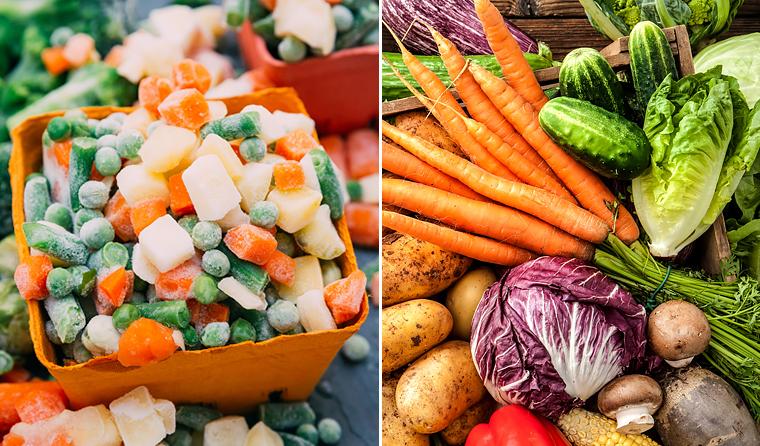
When shopping for fruits, you may wonder whether fresh or frozen fruit is the healthier choice. While fresh fruits are often associated with peak nutrition and natural flavor, frozen fruits have become increasingly popular for their convenience, affordability, and long shelf life.
So, which is better fresh or frozen fruit?
The answer isn't as simple as choosing one over the other. Both options offer impressive nutritional benefits, and the best choice often depends on your lifestyle, budget, and intended use.
In this guide, we'll compare fresh and frozen fruit based on nutrition, taste, convenience, cost, and food safety to help you make the right decision.
What Is Fresh Fruit?
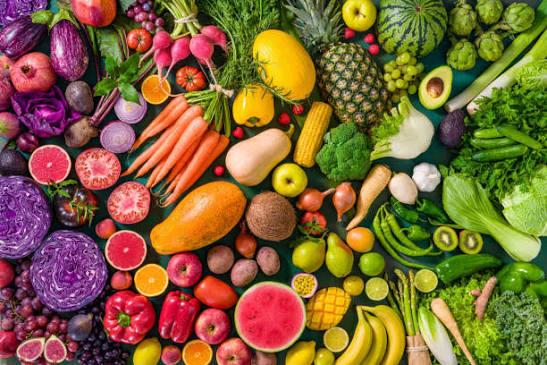
Fresh fruit is harvested and sold without being frozen. It can be purchased directly from farms, local markets, or grocery stores. Depending on the fruit and where you live, it may be locally grown or imported from another region or country.
Fresh fruit is often eaten raw but can also be used in salads, desserts, smoothies, and cooked dishes.
What Is Frozen Fruit?
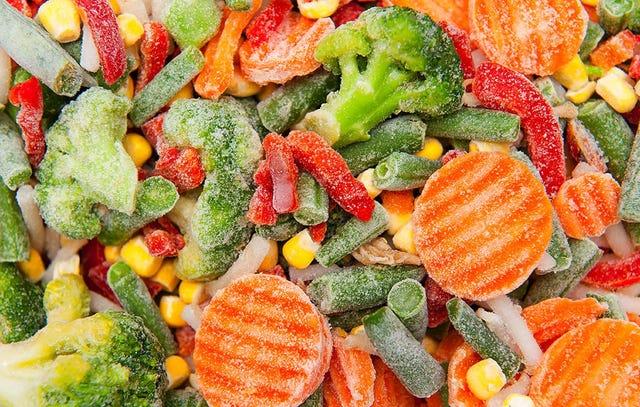
Frozen fruit is picked at peak ripeness, washed, cut if necessary, and quickly frozen using flash-freezing technology. This rapid freezing helps preserve nutrients, color, texture, and flavor.
Most frozen fruits contain no added sugar or preservatives, although some varieties are sweetened. Always check the ingredient label before buying.
Nutritional Comparison
One of the biggest myths is that frozen fruit is less nutritious than fresh fruit.
In reality, frozen fruit is often just as nutritious and sometimes even more nutritious than fresh fruit.
Fresh Fruit
Fresh fruit contains high levels of:
- Vitamin C
- Potassium
- Fiber
- Antioxidants
- Natural sugars
- Water
However, nutrient levels begin to decline soon after harvesting, especially if the fruit spends several days in transportation or storage.
Frozen Fruit
Frozen fruit is typically frozen within hours of harvest, locking in most nutrients.
Research has shown that frozen fruits retain comparable amounts of:
- Vitamin A
- Vitamin E
- Fiber
- Minerals
- Antioxidants
Some water-soluble vitamins like vitamin C may decrease slightly during processing, but the difference is generally small.
Winner: It's a tie. Both fresh and frozen fruits are highly nutritious.
Taste and Texture
Taste preferences vary from person to person.
Fresh Fruit
Fresh fruit usually offers:
- Crisp texture
- Juicy bite
- Natural aroma
- Better appearance
It is ideal for:
- Fruit platters
- Snacks
- Salads
- Garnishes
Frozen Fruit
After thawing, frozen fruit becomes softer because ice crystals break down the fruit's cell walls.
It works best in:
- Smoothies
- Yogurt
- Oatmeal
- Baking
- Sauces
- Ice cream
Winner: Fresh fruit for eating raw; frozen fruit for cooking and blending.
Convenience
Frozen fruit is extremely convenient.
Benefits include:
- Already washed
- Often pre-cut
- No peeling required
- Available year-round
- Easy to portion
- Ready for smoothies
Fresh fruit may require washing, peeling, slicing, and sometimes spoils before you can use it.
Winner: Frozen fruit.
Shelf Life
Fresh fruit has a relatively short lifespan.
Examples:
- Berries: 3–5 days
- Bananas: 4–7 days
- Grapes: 1–2 weeks
Frozen fruit can last:
- 8–12 months in the freezer
This makes frozen fruit excellent for reducing food waste.
Winner: Frozen fruit.
Cost Comparison
Fresh fruit prices fluctuate with the season.
Imported fruits can become expensive during off-seasons.
Frozen fruit often offers better value because:
- Seasonal fruits are frozen during harvest
- Less waste occurs
- Longer storage reduces spoilage
For families on a budget, frozen fruit can be a smart investment.
Winner: Frozen fruit.
Food Waste
Millions of tons of fresh produce are wasted every year because they spoil before being eaten.
Frozen fruit allows you to:
- Use only what you need
- Store leftovers
- Avoid throwing spoiled fruit away
This saves both money and food.
Winner: Frozen fruit.
Seasonal Availability
Fresh fruit availability depends on the growing season.
Frozen fruit is available all year.
You can enjoy:
- Mangoes in winter
- Strawberries year-round
- Blueberries anytime
- Mixed berries every season
This makes it easier to maintain a fruit-rich diet throughout the year.
Winner: Frozen fruit.
Are Frozen Fruits Safe?
Yes.
Frozen fruit is generally safe when handled properly.
For best quality:
- Keep frozen until ready to use.
- Store at 0°F (-18°C) or below.
- Do not refreeze fruit that has fully thawed unless it has been cooked.
Wash fresh fruit thoroughly before eating. If you're using frozen fruit in smoothies without cooking, follow any package instructions, as some products may recommend heating first due to the possibility of contamination.
Which Fruits Freeze Best?
Many fruits maintain excellent quality after freezing, including:
- Strawberries
- Blueberries
- Mangoes
- Pineapple
- Peaches
- Cherries
- Raspberries
- Blackberries
- Mixed berries
Bananas also freeze well after peeling.
Best Uses for Fresh Fruit
Fresh fruit is ideal for:
- Healthy snacks
- Fruit salads
- Lunch boxes
- Garnishes
- Cheese boards
- Fresh desserts
Best Uses for Frozen Fruit
Frozen fruit works well in:
- Smoothies
- Milkshakes
- Yogurt bowls
- Muffins
- Pancakes
- Fruit sauces
- Homemade jam
- Sorbet
- Oatmeal
Fresh vs. Frozen Fruit at a Glance
| Feature | Fresh Fruit | Frozen Fruit |
|---|---|---|
| Nutrition | Excellent | Excellent |
| Taste | Excellent | Very Good |
| Texture | Firm and crisp | Softer after thawing |
| Shelf Life | Short | Long |
| Convenience | Moderate | Excellent |
| Cost | Higher off-season | Usually more affordable |
| Food Waste | Higher | Lower |
| Seasonal Availability | Limited | Year-round |
Which Is Better?
Fresh fruit is the better choice if you:
- Enjoy eating fruit raw
- Prefer crisp texture
- Buy locally grown seasonal produce
- Plan to eat it within a few days
Frozen fruit is the better choice if you:
- Make smoothies regularly
- Want to save money
- Need fruit that lasts longer
- Want to reduce food waste
- Cook or bake frequently
Tips for Choosing Healthy Frozen Fruit
When buying frozen fruit:
- Choose products with no added sugar.
- Read the ingredient list carefully.
- Avoid fruit packed in syrup.
- Store it properly in the freezer.
- Use clean utensils when serving to maintain quality.
Frequently Asked Questions
Is frozen fruit healthier than fresh fruit?
Not necessarily. Both provide valuable vitamins, minerals, fiber, and antioxidants. Frozen fruit may even retain more nutrients than fresh fruit that has spent several days in storage or transit.
Can frozen fruit be eaten without cooking?
Yes, many frozen fruits can be eaten after thawing. However, follow package instructions, especially if the fruit is intended for cooking or if the manufacturer recommends heating before consumption.
Does freezing destroyed vitamins?
Freezing preserves most nutrients. Some vitamin C loss can occur during processing, but overall nutritional quality remains high.
Is frozen fruit good for weight loss?
Yes. Frozen fruit is naturally low in calories, rich in fiber, and can be a healthy addition to balanced meals and snacks.
Which is better for smoothies?
Frozen fruit is usually the better option because it creates a thicker, colder smoothie without needing as much ice.
Final Thoughts
When it comes to fresh vs. frozen fruit, there is no clear winner. Both options are nutritious and can support a healthy diet. Fresh fruit shines in flavor and texture, while frozen fruit offers unbeatable convenience, affordability, and year-round availability.
Instead of choosing one over the other, consider keeping both in your kitchen. Enjoy fresh fruit when it's in season and use frozen fruit for smoothies, baking, and quick meals. By including a variety of fruits in your diet, you'll reap the nutritional benefits regardless of whether they're fresh or frozen.