

Table of contents [Show]
- Introduction
- Why Protein Matters More After 60
- Why Choose Protein Powders?
- Best Easy-to-Digest Protein Powders for Women Over 60
- What to Look for When Choosing a Protein Powder
- How to Use Protein Powder Daily
- Sample Protein-Rich Smoothie Recipe
- Potential Side Effects to Watch
- Frequently Asked Questions (FAQ)
- Final Thoughts
Introduction
As women age, maintaining muscle strength, bone health, and overall vitality becomes increasingly important. After age 60, the body naturally begins to lose muscle mass—a condition known as sarcopenia—while digestion may become more sensitive. This makes protein intake not just important, but essential.
However, getting enough protein from food alone can sometimes be challenging due to reduced appetite, dental issues, or digestive discomfort. That’s where gentle, easy-to-digest protein powders come in.
In this guide, we’ll explore the best types of protein powders for women over 60, how to choose the right one, and how to incorporate them into your daily routine safely and effectively.
Why Protein Matters More After 60
Protein plays several vital roles in the body, especially for older women:
- Maintains muscle mass and strength
- Supports bone health and reduces fracture risk
- Boosts immune function
- Promotes faster recovery from illness or injury
- Helps maintain healthy skin, hair, and nails
Experts recommend that older adults consume more protein than younger adults, roughly 1.0–1.2 grams per kilogram of body weight daily.
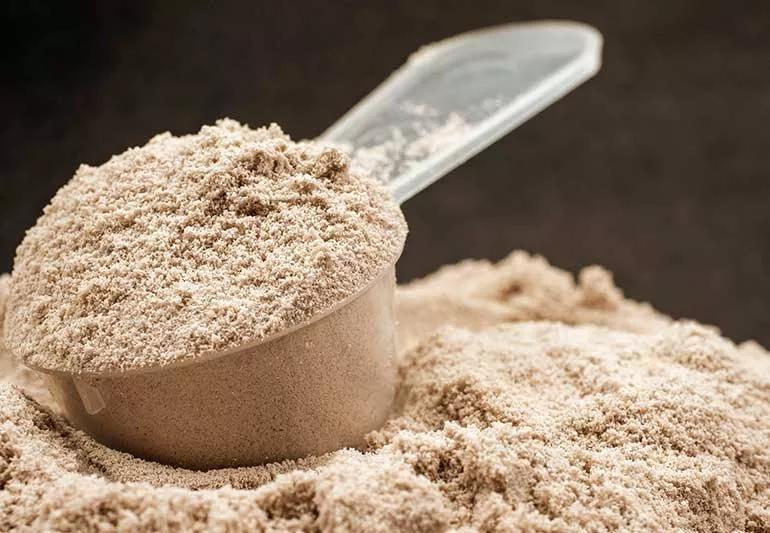
Why Choose Protein Powders?
Protein powders offer a convenient and effective way to meet daily protein needs, especially when:
- You have a low appetite
- Chewing meat is difficult
- You need quick nutrition
- You experience fatigue or weakness
The key is choosing gentle, easy-to-digest options that won’t cause bloating, gas, or discomfort.
Best Easy-to-Digest Protein Powders for Women Over 60
1. Whey Protein Isolate
Whey protein isolate is a highly refined form of whey that contains little to no lactose.
Benefits:
- Quickly absorbed by the body
- Supports muscle repair and strength
- Low in fat and carbohydrates
Best for: Women who are not lactose intolerant but want a light, fast-digesting option.
2. Plant-Based Protein (Pea, Rice, or Hemp)
Plant-based proteins are excellent for sensitive stomachs and those avoiding dairy.
Benefits:
- Easy on digestion
- Naturally rich in fiber
- Anti-inflammatory properties
Best for: Women with lactose intolerance or digestive sensitivity.
3. Collagen Protein
Collagen is not a complete protein, but it offers unique benefits for aging women.
Benefits:
- Supports skin elasticity and joint health
- Easy to digest
- Dissolves easily in hot or cold drinks
Best for: Women focusing on skin, joints, and bone support.
4. Egg White Protein
Egg protein is highly digestible and free from dairy.
Benefits:
- High-quality complete protein
- Gentle on the stomach
- Low in allergens (except eggs)
Best for: Women who want a clean, non-dairy protein source.
5. Bone Broth Protein
Made from simmered animal bones, this protein is rich in nutrients.
Benefits:
- Supports gut health
- Contains collagen and amino acids
- Easy to digest
Best for: Women with digestive issues or gut sensitivity.
What to Look for When Choosing a Protein Powder
Not all protein powders are created equal. Here’s what to check before buying:
✔ Simple Ingredients
Avoid products with long ingredient lists, artificial sweeteners, or preservatives.
✔ Low Sugar Content
Choose options with little or no added sugar to support heart and metabolic health.
✔ Digestive Enzymes
Some powders include enzymes that help reduce bloating and improve absorption.
Look for gluten-free, dairy-free, or soy-free labels if you have sensitivities.
✔ Third-Party Tested
Ensure the product is tested for quality and safety.
How to Use Protein Powder Daily
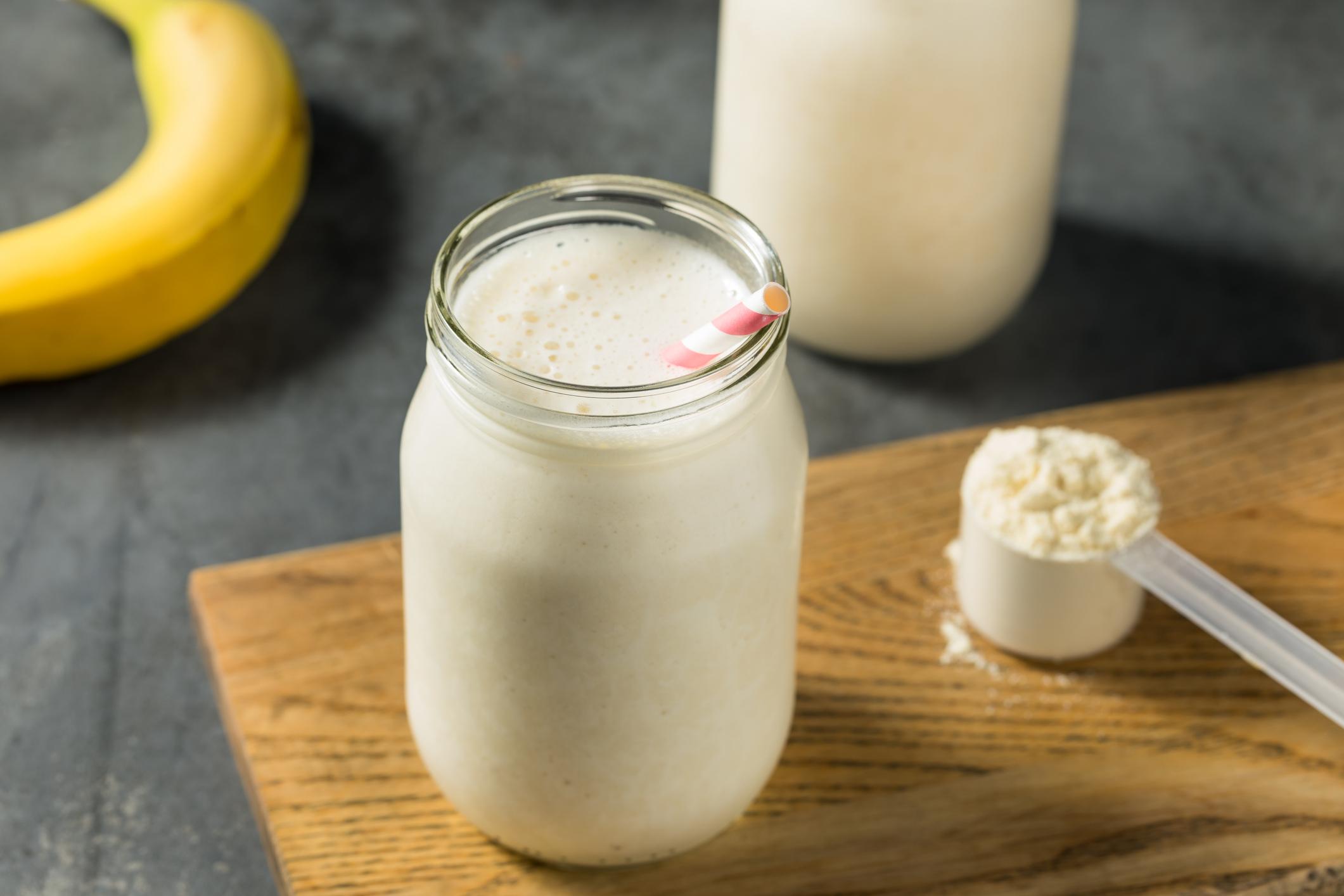
Incorporating protein powder into your routine is simple:
- Add to smoothies with fruits like banana or berries
- Mix into oatmeal or pap
- Stir into tea, coffee, or warm milk
- Blend into soups or stews
- Use in baking (pancakes, muffins)
Tip: Start with small amounts (½ scoop) and gradually increase to avoid digestive discomfort.
Sample Protein-Rich Smoothie Recipe
Ingredients:
- 1 scoop plant-based protein powder
- 1 banana
- 1 cup milk (dairy or plant-based)
- 1 tablespoon peanut butter
A pinch of cinnamon
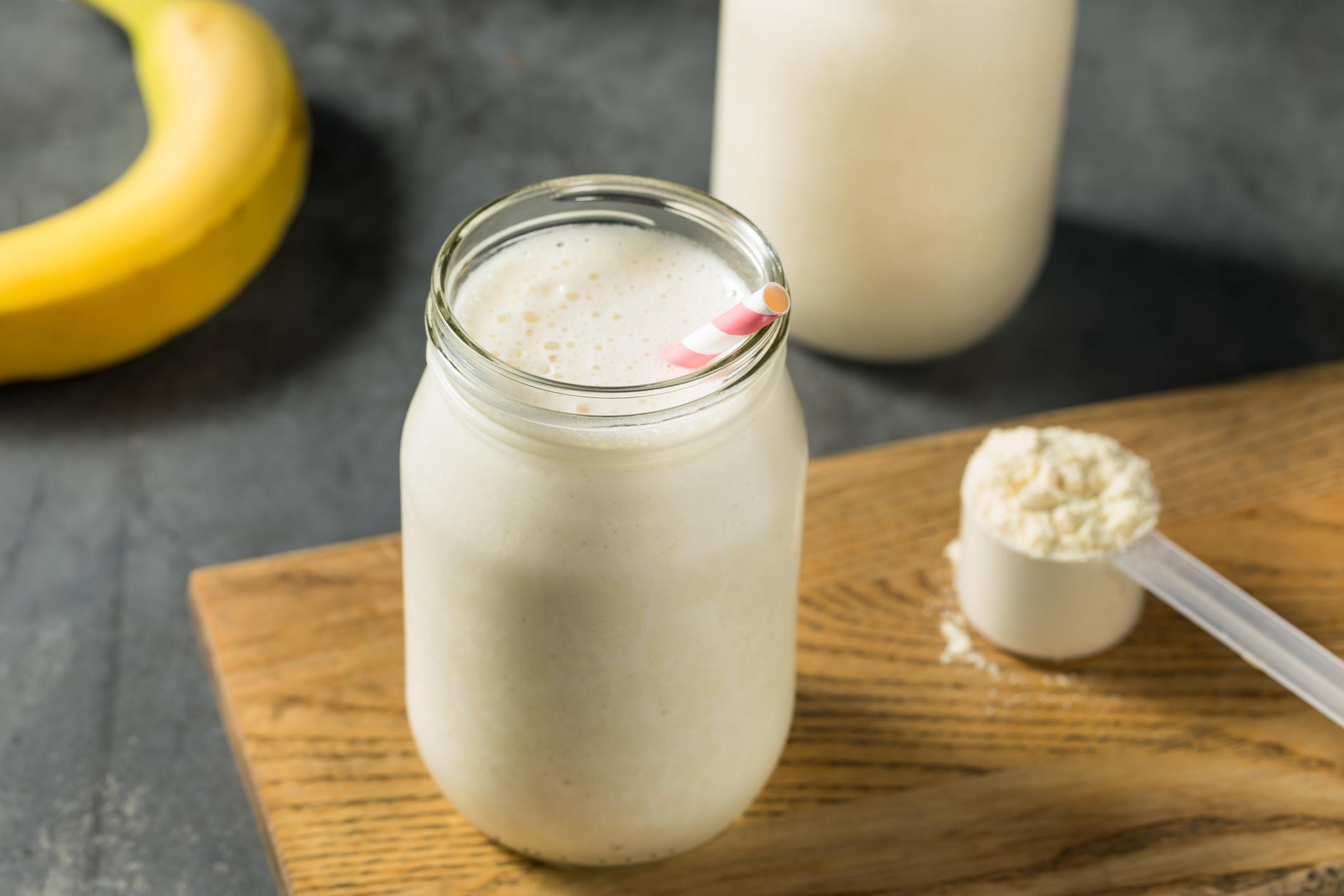
Instructions:
Blend all ingredients until smooth. Enjoy as a breakfast or mid-day energy boost.
Potential Side Effects to Watch
While protein powders are generally safe, some women may experience:
- Bloating or gas
- Allergic reactions
- Kidney strain (if taken excessively)
Always consult your doctor before adding protein supplements, especially if you have kidney issues or chronic conditions.
Frequently Asked Questions (FAQ)
1. How much protein powder should a woman over 60 take daily?
It depends on your diet, but typically 1 scoop (20–25g protein) per day is sufficient to supplement meals.
2. Can protein powder replace meals?
No. Protein powders should supplement, not replace, balanced meals.
3. Which protein is best for sensitive stomachs?
Plant-based protein or collagen protein is usually the easiest to digest.
4. Is it safe to take protein powder every day?
Yes, as long as it fits within your daily protein needs and you choose high-quality products.
5. Can protein powder help with weight management?
Yes. Protein helps you feel full longer, reducing overeating and supporting healthy weight.
Final Thoughts
Aging gracefully means nourishing your body with the right nutrients—and protein is at the heart of that journey. Gentle, easy-to-digest protein powders can help women over 60 maintain strength, energy, and independence.
The key is choosing the right type, using it consistently, and combining it with a balanced diet and active lifestyle.