

Introduction
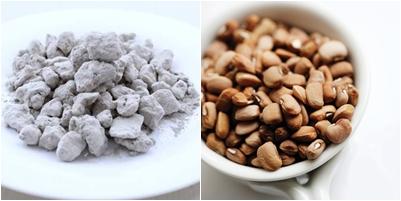
Kaun, also known as potash or bicarbonate in many Nigerian communities, is a traditional cooking ingredient that has been used for generations. It plays a unique role in preparing many local dishes, especially soups and beans. While it offers several culinary benefits, it should be used carefully to ensure meals remain healthy and nutritious.
In this article, we'll explore what kaun is, its uses in Nigerian cooking, its health benefits, potential risks, and safety tips for proper use.
Table of contents [Show]
What Is Kaun?
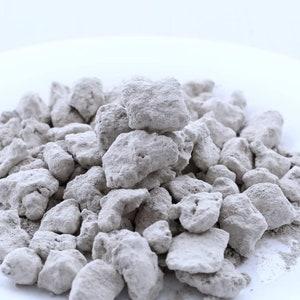
Kaun is a naturally occurring alkaline substance commonly used as a food additive in many parts of Nigeria and West Africa. Depending on the region, it may be called potash, akanwu, kanwa, or kaun. It is usually sold in small, solid lumps or powdered form in local markets.
Kaun is primarily valued for its ability to soften tough foods, reduce cooking time, and improve the texture of certain traditional dishes.
Common Uses of Kaun in Nigerian Cooking
1. Softening Beans
One of the most popular uses of kaun is in cooking beans. Adding a small amount helps soften the beans more quickly, reducing cooking time and saving fuel.
2. Preparing Traditional Soups
Kaun is commonly used in preparing soups such as:
- Ewedu soup
- Ila (okra) soup
- Kuka soup
- Draw soups
It enhances the slimy texture that many Nigerians enjoy.
3. Tenderizing Tough Meat
Some cooks add a little kaun when boiling tough cuts of meat to help them become tender faster.
4. Cooking Vegetables
Kaun may be added to leafy vegetables to soften them during cooking. However, excessive use can reduce their nutritional value.
5. Traditional Local Delicacies
Several indigenous dishes use kaun to achieve a desired texture and consistency that would otherwise be difficult to obtain.
Benefits of Using Kaun
Reduces Cooking Time
Kaun helps foods like beans and meat cook faster, making meal preparation quicker and reducing fuel costs.
Improves Food Texture
It enhances the smoothness and viscosity of soups, particularly okra and ewedu, giving them the preferred traditional consistency.
Tenderizes Foods
Kaun breaks down tough plant fibers and connective tissues in meat, resulting in softer meals.
Cost-Effective
Only a tiny quantity is needed, making it an affordable cooking aid for many households.
Potential Health Concerns
Despite its culinary advantages, excessive use of kaun may pose health concerns.
High Sodium Content
Some forms of kaun contain significant amounts of sodium, which may contribute to high blood pressure when consumed frequently in large amounts.
Nutrient Loss
The alkaline nature of kaun can reduce the levels of certain vitamins, especially vitamin C and some B vitamins, in vegetables.
Digestive Issues
Using too much kaun may alter the taste of food and cause stomach discomfort in sensitive individuals.
Mineral Imbalance
Frequent excessive consumption may contribute to an imbalance of minerals in the body over time.
Safety Tips for Using Kaun
To enjoy the benefits while minimizing potential risks, follow these safety tips:
- Use only a very small quantity.
- Dissolve it in water before adding it to food.
- Avoid excessive or daily use.
- Do not use it in every meal.
- Limit its use when cooking nutrient-rich vegetables.
- If you have hypertension or kidney disease, consult a healthcare professional before consuming foods prepared with large amounts of kaun.
Healthier Alternatives to Kaun
If you're looking to reduce your use of kaun, consider these alternatives:
- Soak beans overnight before cooking.
- Use a pressure cooker to reduce cooking time.
- Cook vegetables without alkaline additives to preserve nutrients.
- Allow meats to simmer longer naturally for tenderness.
Frequently Asked Questions
Is kaun the same as baking soda?
No. Although both are alkaline substances, kaun is a naturally occurring mineral mixture, while baking soda is purified sodium bicarbonate manufactured under controlled conditions. They are not always interchangeable in recipes.
Can kaun be used every day?
It's best to use kaun sparingly rather than daily. Moderate use helps reduce potential health risks associated with excessive sodium and nutrient loss.
Is kaun safe during pregnancy?
There is limited scientific evidence regarding regular consumption during pregnancy. Pregnant women should use it moderately and seek medical advice if they have concerns.
Conclusion
Kaun remains an important part of Nigerian culinary tradition, helping cooks prepare delicious soups, beans, and other local dishes with the desired texture and tenderness. However, like many food additives, moderation is key. Using small amounts, avoiding excessive consumption, and preserving the nutritional quality of meals will allow you to enjoy the benefits of kaun while supporting a healthy diet.
By understanding how to use kaun safely, you can continue to enjoy authentic Nigerian cuisine without compromising your health.