

Table of contents [Show]
-
Introduction
- Why Water Is Important for Weight Loss
- How Much Water Should You Drink Each Day?
- Factors That Affect Your Water Needs
- Is Drinking Water Before Meals Helpful?
- Signs You May Not Be Drinking Enough Water
- Can You Drink Too Much Water?
- Best Times to Drink Water
- Healthy Tips to Increase Your Water Intake
- Common Myths About Water and Weight Loss
- Frequently Asked Questions (FAQs)
- Conclusion {
Introduction
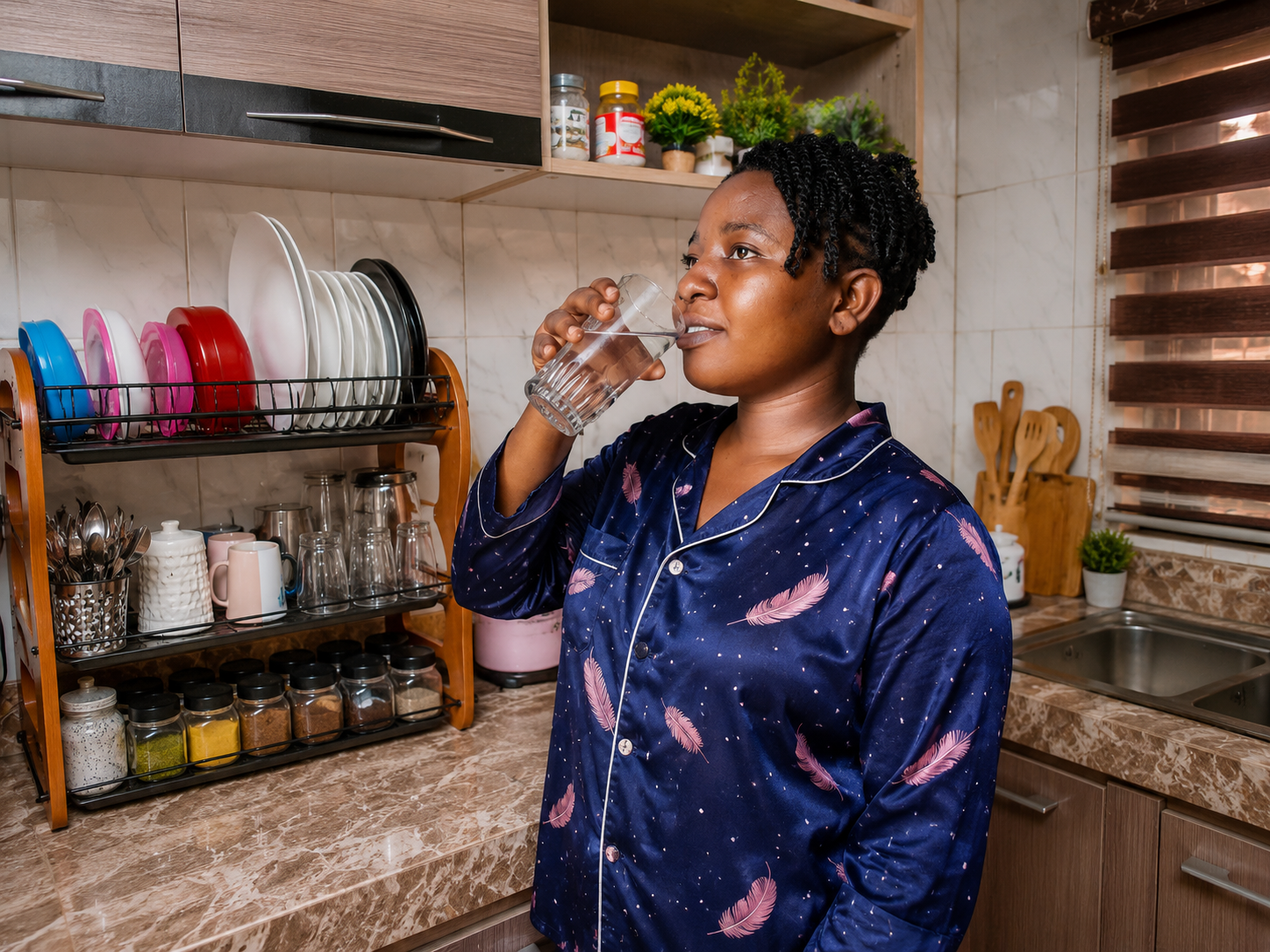
When people think about losing weight, they often focus on cutting calories, exercising more, or following the latest diet trend. While these strategies can play a role, one simple habit is frequently overlooked—drinking enough water.
Water is essential for every cell, tissue, and organ in the body. It regulates body temperature, transports nutrients, aids digestion, lubricates joints, and supports countless metabolic processes. Although drinking water alone won't cause dramatic weight loss, staying well-hydrated can support healthy weight management by helping control appetite, replacing sugary beverages, and supporting normal metabolism.
As a nutritionist, one of the most common questions I receive is: "How much water should I drink each day to lose weight?" The answer depends on several individual factors, including age, body size, physical activity, climate, and overall health.
In this article, we'll explore the relationship between water and weight loss, how much water most adults need, signs of dehydration, and practical tips to stay hydrated throughout the day.
Why Water Is Important for Weight Loss
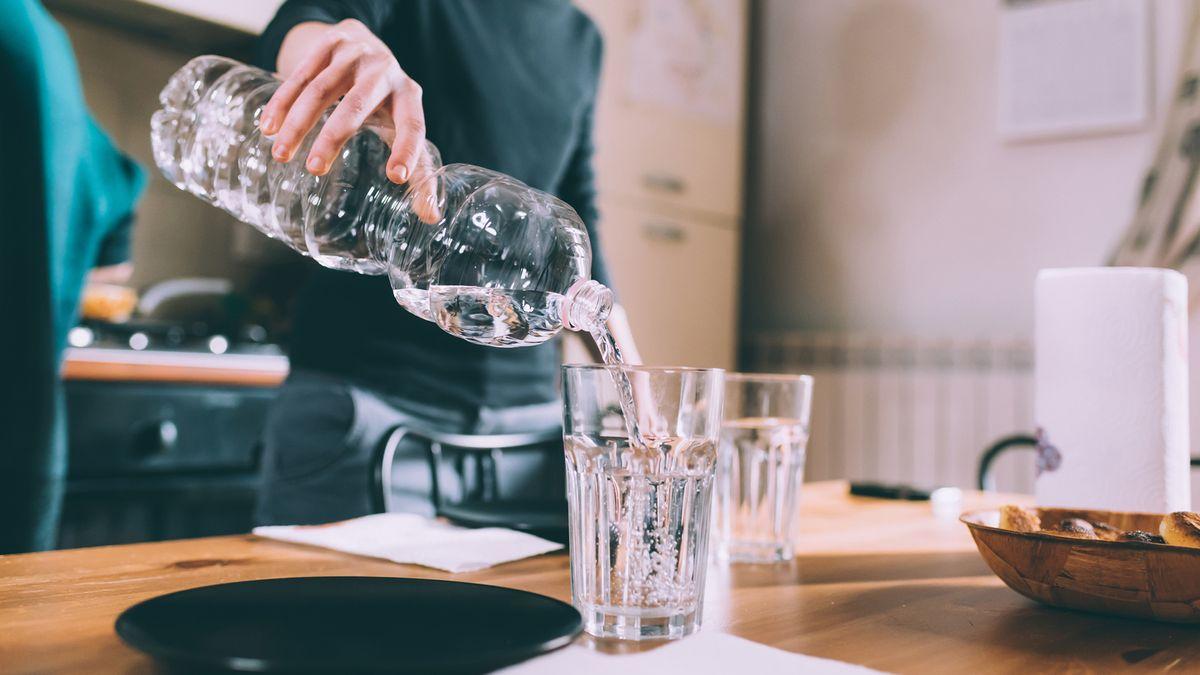
Water does much more than quench thirst. It plays several important roles that can support a healthy weight-loss journey.
1. Water Helps You Feel Fuller
Drinking water before meals may help increase feelings of fullness, which can reduce the amount of food some people eat during a meal. This can support calorie control as part of an overall healthy eating pattern.
2. Water Contains Zero Calories
Unlike sugary soft drinks, sweetened fruit juices, and many energy drinks, water contains no calories. Replacing high-calorie beverages with water can help reduce total daily calorie intake.
3. Water Supports Normal Metabolism
Water is required for many chemical reactions involved in converting food into energy. While hydration alone does not "boost metabolism" in a dramatic way, it supports the body's normal metabolic functions.
4. Water Supports Physical Activity
Staying hydrated helps maintain endurance, regulate body temperature, and support muscle function during exercise. Proper hydration can make physical activity feel more manageable and enjoyable.
5. Water Supports Healthy Digestion
Adequate water intake helps move food through the digestive tract, supports nutrient absorption, and helps prevent constipation.
How Much Water Should You Drink Each Day?
There is no single amount of water that is right for everyone. Daily fluid needs vary based on several factors.
General recommendations for healthy adults include:
- Women: About 2.7 liters (11–12 cups) of total fluids per day.
- Men: About 3.7 liters (15–16 cups) of total fluids per day.
These totals include fluids from drinking water, other beverages, and water-rich foods such as fruits and vegetables.
If your goal is healthy weight loss, aiming for 2 to 3 liters (8–12 cups) of water daily is a practical target for many adults, although some individuals may require more depending on their activity level and environment.
Factors That Affect Your Water Needs
Your body may require additional fluids if you:
- Exercise regularly.
- Live in a hot or humid climate.
- Spend long hours outdoors.
- Have a physically demanding job.
- Are pregnant or breastfeeding.
- Have a fever, vomiting, or diarrhea.
- Eat a high-fiber diet.
Listening to your body's thirst signals and monitoring your hydration status are important.
Is Drinking Water Before Meals Helpful?
Research suggests that drinking one to two glasses of water about 30 minutes before meals may help some people feel fuller, making it easier to manage portion sizes.
This strategy should be combined with:
- Balanced meals
- Regular physical activity
- Adequate sleep
- Long-term healthy eating habits
rather than relying on water alone for weight loss.
Signs You May Not Be Drinking Enough Water
Common signs of dehydration include:
- Dark yellow urine
- Dry mouth
- Headaches
- Fatigue
- Dizziness
- Constipation
- Increased thirst
- Dry skin
- Reduced physical performance
A simple way to monitor hydration is to check the color of your urine. Pale yellow urine generally indicates good hydration, while darker urine may suggest you need more fluids.
Can You Drink Too Much Water?
Yes. Although uncommon, drinking excessive amounts of water in a short period can dilute the sodium levels in your blood, leading to a condition called hyponatremia.
To avoid this:
- Drink steadily throughout the day instead of consuming large volumes at once.
- Increase fluid intake gradually during exercise or hot weather.
- Follow your healthcare provider's advice if you have kidney, heart, or liver disease.
Best Times to Drink Water
To support healthy hydration, consider drinking water:
- Shortly after waking up.
- About 30 minutes before meals.
- Before, during, and after exercise.
- During hot weather.
- Whenever you feel thirsty.
- Between meals throughout the day.
Making water your primary beverage can help establish consistent hydration habits.
Healthy Tips to Increase Your Water Intake
If you find it difficult to drink enough water, try these simple strategies:
- Carry a reusable water bottle.
- Set reminders on your phone.
- Add slices of lemon, cucumber, or mint for natural flavor.
- Eat water-rich foods like watermelon, oranges, cucumbers, tomatoes, and lettuce.
- Drink a glass of water with every meal.
- Replace sugary drinks with water whenever possible.
Common Myths About Water and Weight Loss
Myth 1: Drinking More Water Melts Body Fat
Fact: Water does not directly burn body fat. However, it supports healthy eating habits and overall body functions that contribute to successful weight management.
Myth 2: Everyone Must Drink Exactly Eight Glasses Daily
Fact: Fluid needs vary based on age, body size, physical activity, health status, and climate.
Myth 3: Only Water Counts Toward Hydration
Fact: Milk, unsweetened tea, soups, and water-rich fruits and vegetables also contribute to your daily fluid intake.
Frequently Asked Questions (FAQs)
Can drinking water help me lose belly fat?
Water does not specifically target belly fat. Losing body fat requires a combination of a balanced diet, regular physical activity, adequate sleep, stress management, and maintaining a calorie deficit over time.
Is cold water better than warm water for weight loss?
There is no strong evidence that cold water leads to greater weight loss than room-temperature or warm water. The best choice is the one that encourages you to stay hydrated.
Should I drink water while exercising?
Yes. Drinking water before, during, and after exercise helps replace fluids lost through sweat and supports physical performance.
Can drinking water replace healthy eating?
No. Water is essential, but it cannot replace a balanced diet rich in vegetables, fruits, whole grains, lean proteins, and healthy fats.
Conclusion
Drinking enough water is one of the simplest and most effective habits you can adopt to support your overall health and weight-loss journey. While water is not a miracle solution for shedding pounds, it can help control appetite, improve hydration, support digestion, and encourage healthier beverage choices.
As a nutritionist, my advice is to make water your drink of choice, eat a balanced diet, stay physically active, get enough sleep, and focus on sustainable lifestyle changes rather than quick fixes. Healthy weight loss is a gradual process, and proper hydration is one important piece of that journey.
Disclaimer: This article is for educational purposes only and should not be considered medical advice. Individual hydration needs vary depending on age, health status, medications, pregnancy, climate, and physical activity. If you have kidney disease, heart disease, or another medical condition that affects fluid balance, consult your healthcare provider for personalized recommendations.