

Table of contents [Show]
Introduction
When it comes to traditional Nigerian cuisine, few ingredients carry as much cultural and medicinal significance as scent leaf. Known as Nchanwu in Igbo and Efinrin in Yoruba, this aromatic green herb is more than just a flavor enhancer—it’s a natural powerhouse often referred to as “nature’s antibiotic.”
From steaming bowls of pepper soup to herbal remedies passed down through generations, scent leaf has earned its place as both a culinary staple and a trusted healing plant.
What is Scent Leaf?
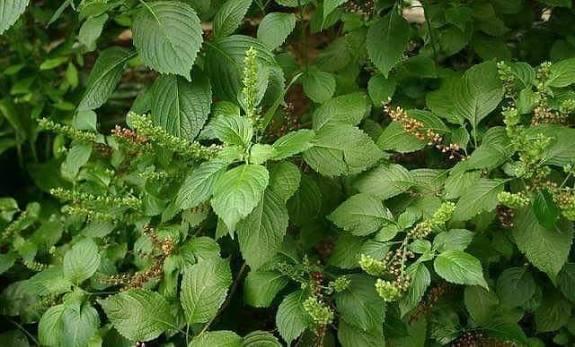
Scent leaf (scientifically known as Ocimum gratissimum) is a tropical herb widely grown across Africa and parts of Asia. It belongs to the basil family and is easily recognized by its strong, distinctive aroma and slightly bitter taste.
In Nigerian homes, it’s commonly used fresh, especially in dishes like pepper soup, where it adds depth and a refreshing herbal note.
Why is it Called “Nature’s Antibiotic”?
Scent leaf contains powerful natural compounds such as eugenol, thymol, and flavonoids, which give it antimicrobial, antifungal, and anti-inflammatory properties. These compounds help fight bacteria and infections in the body—hence the nickname “nature’s antibiotic.”
For generations, our grandparents didn’t need pharmacies for every ailment. A handful of scent leaves, properly prepared, often did the trick.
Health Benefits of Scent Leaf
1. Fights Infections
Scent leaf is widely known for its antibacterial properties. It helps combat infections in the digestive system, respiratory tract, and even minor wounds.
2. Aids Digestion
Ever wondered why scent leaf is added to pepper soup? Beyond taste, it helps soothe the stomach, reduce bloating, and improve digestion especially after a heavy meal.
3. Supports Respiratory Health
Boiled scent leaf water is commonly used as a remedy for cough, cold, and sore throat. Its natural compounds help clear the airways and reduce inflammation.
4. Helps Manage Blood Sugar
Studies suggest that scent leaf may help regulate blood sugar levels, making it beneficial for people managing diabetes.
5. Boosts Immunity
Packed with antioxidants, scent leaf strengthens the immune system and helps the body fight off illnesses more effectively.
Scent Leaf in Pepper Soup: More Than Just Flavor
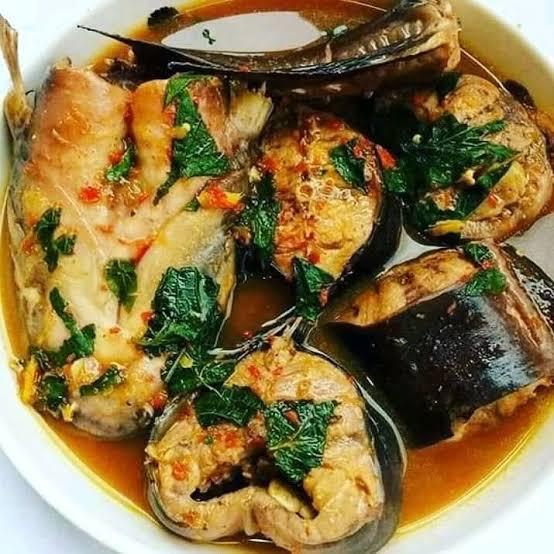
Pepper soup is already known for its healing properties especially for postpartum recovery, cold relief, and general wellness. When scent leaf is added, it elevates the dish from delicious to medicinal.
The heat from the spices combined with the therapeutic compounds in scent leaf creates a comforting, healing meal that nourishes both body and soul.
Traditional Uses You Should Know
In many Nigerian households, scent leaf is used in simple home remedies:
- Scent leaf tea: Boiled leaves taken to relieve stomach upset or cold
- Leaf extract: Crushed leaves applied to minor skin infections
- Steam inhalation: Used to clear congestion
These uses reflect the deep trust our culture has placed in this humble plant.
How to Incorporate Scent Leaf into Your Diet
You don’t have to wait until you cook pepper soup to enjoy the benefits of scent leaf. Here are simple ways to include it in your meals:
- Add fresh leaves to soups and stews
- Blend into smoothies (in small quantities)
- Use as a garnish for rice dishes
- Brew as herbal tea
Final Thoughts
Scent leaf is a perfect example of how food and medicine often go hand in hand. What sits quietly in your kitchen might just be one of the most powerful natural remedies available.
So the next time you enjoy a hot bowl of pepper soup, remember you’re not just eating a delicious meal. You’re nourishing your body with one of nature’s finest antibiotics.
Sometimes, the best medicine isn’t found in a bottle it’s right there in your pot.