

The New Dietary Guidelines: More Triangle Than Pyramid?
For decades, the food pyramid was the universal symbol of healthy eating. It neatly stacked food groups into levels, guiding people on what to eat more of and what to limit. But as nutrition science has evolved, so has the way we visualize a balanced diet. Today, the conversation is shifting—away from rigid pyramids and toward more flexible, practical models that resemble something closer to a triangle or even a plate.
So, what changed? And what do the new dietary guidelines actually mean for your everyday meals?

Table of contents [Show]
From Pyramid to Practicality
The traditional food pyramid emphasized a hierarchy: grains at the base, followed by fruits and vegetables, then proteins, and fats at the very top. While simple, this model had its flaws. It didn’t clearly distinguish between healthy and unhealthy choices within each group. For example, refined grains and whole grains were treated similarly, despite having very different nutritional impacts.
Modern dietary guidelines move beyond this oversimplification. Instead of focusing solely on quantity, they emphasize quality, balance, and proportion. This shift is why newer models feel less like a rigid pyramid and more like a dynamic triangle—or even a plate divided into sections.
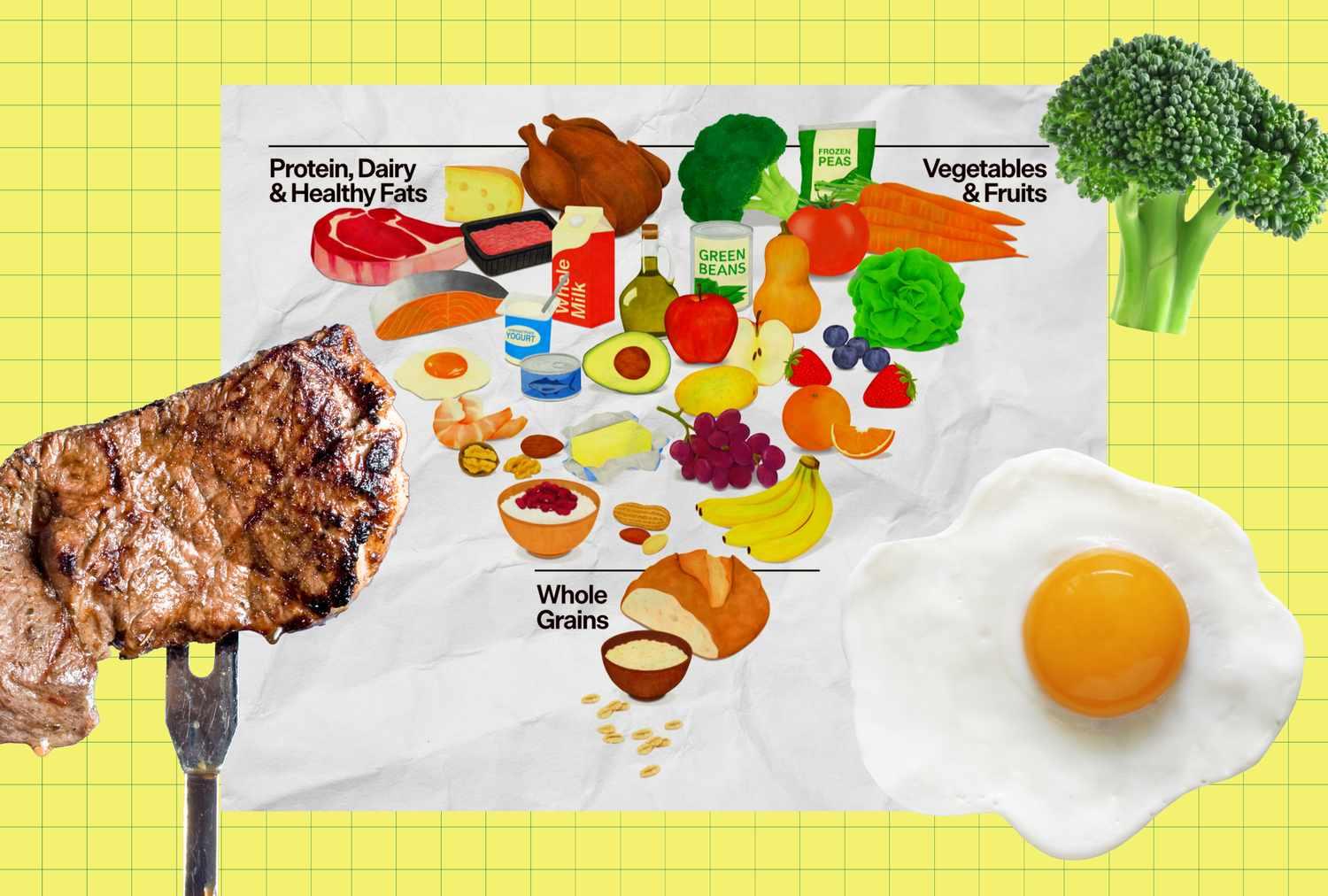
What the “Triangle” Concept Represents
Think of the updated approach as a triangle where:
- The base is still made up of nutrient-dense, whole foods—but with more clarity: vegetables, fruits, whole grains, and legumes.
- The middle layer includes lean proteins, dairy (or alternatives), and healthy fats.
- The top is reserved for processed foods, added sugars, and excess salt—meant to be consumed sparingly.
The difference? This “triangle” isn’t about strict levels—it’s about proportions and flexibility. It recognizes that diets aren’t one-size-fits-all and allows room for cultural preferences and individual needs.
Key Changes in Modern Dietary Guidelines
1. Quality Over Quantity
Not all calories are equal. Whole foods are now prioritized over processed ones, even within the same category. For example:
- Whole grains instead of refined grains
- Healthy fats (like those from nuts and fish) instead of trans fats
2. More Plants, Less Processing
Plant-based eating is strongly encouraged—not necessarily full vegetarianism, but a noticeable shift toward:
- More vegetables and fruits
- More plant proteins like beans and lentils
- Less reliance on ultra-processed foods
3. Flexibility and Personalization
Unlike the rigid pyramid, modern guidelines adapt to:
- Cultural diets
- Budget constraints
- Personal health goals
This makes it easier for people to actually follow them in real life.
4. Portion Awareness
Rather than stacking foods in layers, newer models often show a plate divided into portions:
- Half vegetables and fruits
- One-quarter protein
- One-quarter whole grains
This visual approach is more intuitive for daily use.
Why the Old Pyramid Fell Short
The original pyramid was groundbreaking for its time, but it had limitations:
- It didn’t address processed food quality
- It overemphasized carbohydrates without distinction
- It lacked personalization
As research advanced, it became clear that how food is prepared and processed matters just as much as which food group it belongs to.
What This Means for Your Daily Diet
You don’t need to memorize a complex system to eat well. The updated approach can be summed up simply:
- Fill most of your meals with whole, minimally processed foods
- Balance your plate rather than follow strict layers
- Limit sugar, salt, and highly processed snacks
- Adjust your diet based on your lifestyle and health goals
In other words, the modern “triangle” is less about rules and more about smart choices.
Final Thoughts
The shift from pyramid to triangle reflects a bigger change in nutrition thinking: from rigid structure to practical balance. Instead of telling you exactly what to eat and in what order, today’s guidelines empower you to make informed decisions that fit your life.
Healthy eating is no longer about climbing a pyramid—it’s about building a sustainable, balanced pattern that works for you.
FAQs
Is the food pyramid completely outdated?
Not entirely. It still provides a basic framework, but newer models offer more accurate and flexible guidance.
Do I need to follow a plant-based diet?
No, but increasing plant-based foods is strongly recommended for better health.
What’s the easiest way to apply the new guidelines?
Use the “balanced plate” approach: half vegetables and fruits, with the rest split between protein and whole grains.
Are fats still bad?
Not all fats. Healthy fats are now considered an essential part of a balanced diet.