

Benefits, Best Sources, and How to Get Enough Daily
Protein is often associated with meat, eggs, and dairy but that’s only part of the story. Plant-based protein is gaining global attention for its powerful health benefits, affordability, and sustainability. Whether you're fully vegan, vegetarian, or simply trying to eat healthier, understanding how plant protein works can transform your diet.
So, how effective is plant-based protein and can you really get enough? Let’s break it down.
Table of contents [Show]
What Is Plant-Based Protein?
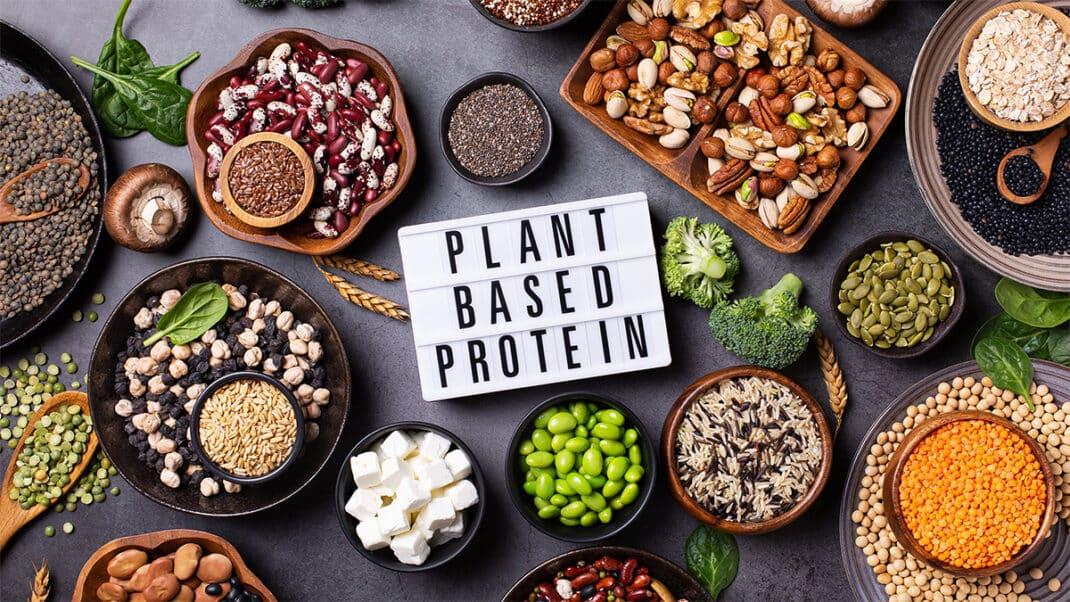
Plant-based protein comes from foods like legumes, grains, nuts, seeds, and certain vegetables. Unlike many animal proteins, these foods often come packed with fiber, vitamins, minerals, and antioxidants.
While some plant proteins are considered “incomplete” (meaning they lack one or more essential amino acids), combining different plant foods throughout the day easily solves this issue.
Key Benefits of Plant-Based Protein
1. Supports Heart Health
Plant-based diets are typically lower in saturated fat and cholesterol. This can help reduce the risk of heart disease and improve overall cardiovascular health.
2. Aids in Weight Management
High-fiber plant foods help you feel fuller for longer, reducing overeating and supporting healthy weight control.
3. Improves Digestion
Unlike animal protein, plant protein sources often contain fiber, which promotes better gut health and regular digestion.
4. Reduces Risk of Chronic Diseases
Research links plant-based eating patterns to lower risks of conditions like type 2 diabetes and certain cancers.
5. More Sustainable and Budget-Friendly
Plant proteins such as beans and lentils are generally more affordable and environmentally friendly compared to animal-based options.
Best Plant-Based Protein Sources
Here are some of the most effective and accessible sources:
Legumes
- Lentils
- Chickpeas
- Black beans
Rich in protein, fiber, and iron, legumes are a staple for plant-based diets.
Soy Products
- Tofu
- Tempeh
Soy milk
Soy is one of the few plant proteins that provides all essential amino acids.
Whole Grains
- Quinoa
- Brown rice
Oats
Grains contribute both protein and sustained energy.
Nuts and Seeds
- Almonds
- Peanuts
- Chia seeds
- Pumpkin seeds
These provide healthy fats along with protein.
Plant-Based Protein Powders
Helpful for athletes or those with higher protein needs.
How to Get Enough Protein on a Plant-Based Diet
Meeting your protein needs is easier than most people think—it just requires a bit of planning.
1. Know Your Daily Needs
A general guideline:
- About 0.8g of protein per kg of body weight for average adults
- 1.2–2.0g per kg for active individuals or athletes
2. Combine Protein Sources
Pair foods like:
- Rice + beans
- Bread + peanut butter
- Lentils + grains
This ensures a complete amino acid profile over the day.
3. Eat Protein at Every Meal
Instead of loading protein into one meal, spread it across breakfast, lunch, and dinner.
4. Don’t Forget Calories
If you’re not eating enough overall calories, your body may not use protein effectively for muscle building.
5. Use Simple Meal Ideas
- Oatmeal with nuts and seeds
- Rice and beans with vegetables
- Smoothies with plant protein powder
Common Myths About Plant-Based Protein
“It’s not enough for muscle growth.”
False. With adequate intake, plant protein fully supports muscle building.
“You need supplements to survive.”
Not necessarily. Whole foods can meet most protein needs.
“It’s too expensive.”
In reality, staple plant foods are often cheaper than meat.
Final Thoughts
Plant-based protein is more than just an alternative it’s a powerful, practical way to support your health, fitness, and budget.
By choosing a variety of protein-rich plant foods and eating balanced meals, you can easily meet your daily needs without relying on animal products.
The key isn’t perfection—it’s consistency.
FAQs
Can you build muscle with plant-based protein?
Yes, as long as you meet your total protein and calorie requirements.
What is the highest plant-based protein source?
Soy products like tofu and tempeh are among the highest.
Do I need to combine proteins in every meal?
No. Variety throughout the day is sufficient.
Is plant protein better than animal protein?
Both have benefits, but plant protein offers added fiber and fewer saturated fats.